
Ask ten DJs where Deep House ends and Afro House begins, and you'll get ten different, defensible answers. That fuzziness isn't a flaw in the music, it's the point. Genre and sub-genres has always been a fluid, changing conversation, not a rigid category.
However, most tools that tag your music don't work that way.
They read a file name, a scraped metadata field, an ID3 tag some uploader typed in eight years ago, and they call it done. It is no wonder it is often wrong — especially for the tracks that live in the in-between, which tends to be the majority.
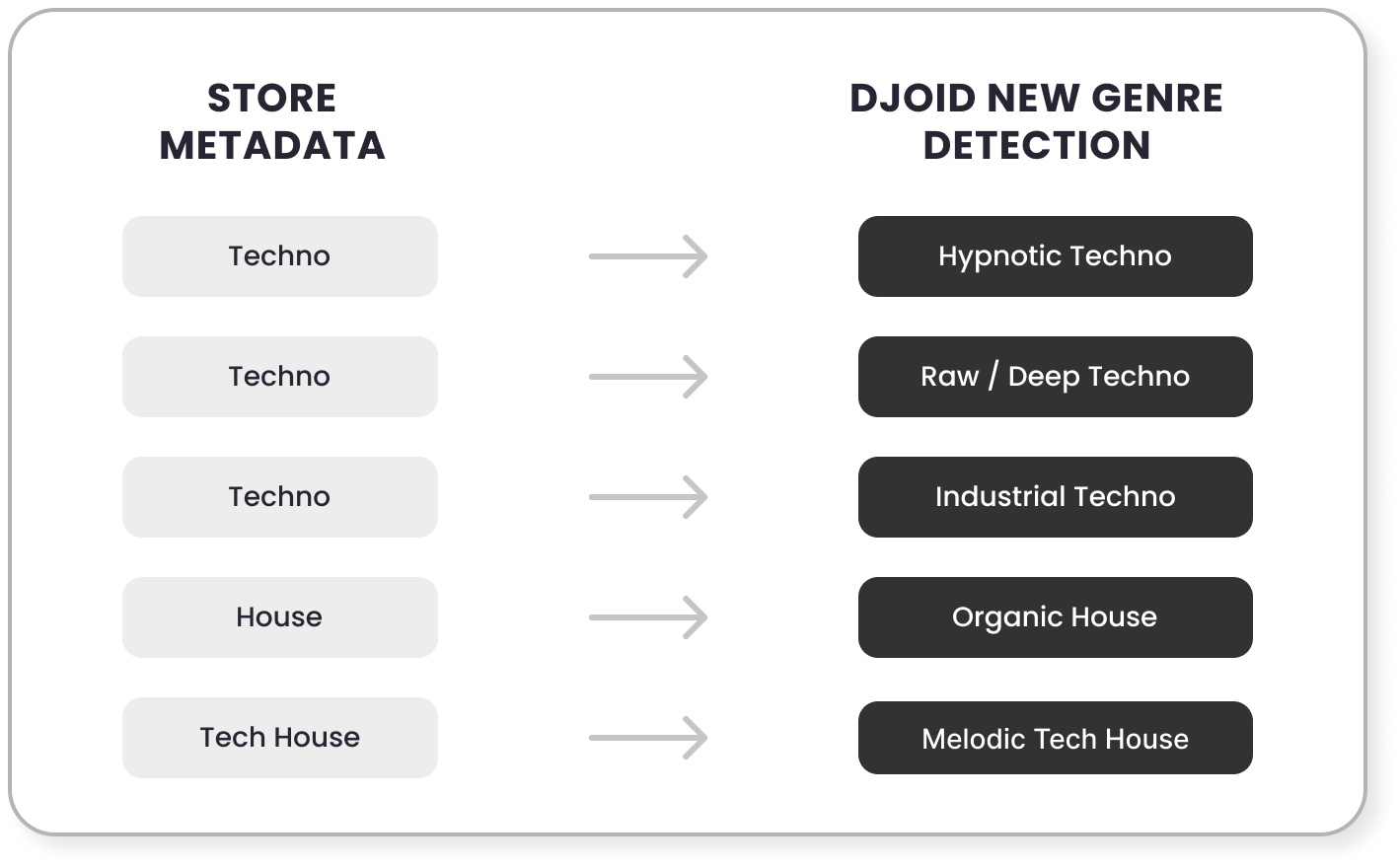
We wanted to change the way genres are analysed and tagged. So instead of guessing what was missing within our previous genre detection, we started by asking our Djoid DJs about their genre preferences and the gaps on our previous genre detection model.
Six months of research, conversations and testing resulted in our new 75 sub-genres, tagged from the actual audio track, not the metadata. In this article we will walk you through our 5th generation genre taxonomy, what’s new, what has changed, and why it matters more than another list of genres.
The Research Behind Gen 5
Over the past six months, we gathered feedback from the Djoid community to uncover gaps in our previous genre model. We wanted to see which sub-genres were missing, what music our DJs actually play, and where extra nuance was needed to make sub-genre tagging truly useful. Here are some of the key results:
1) What Genres our DJs Play:
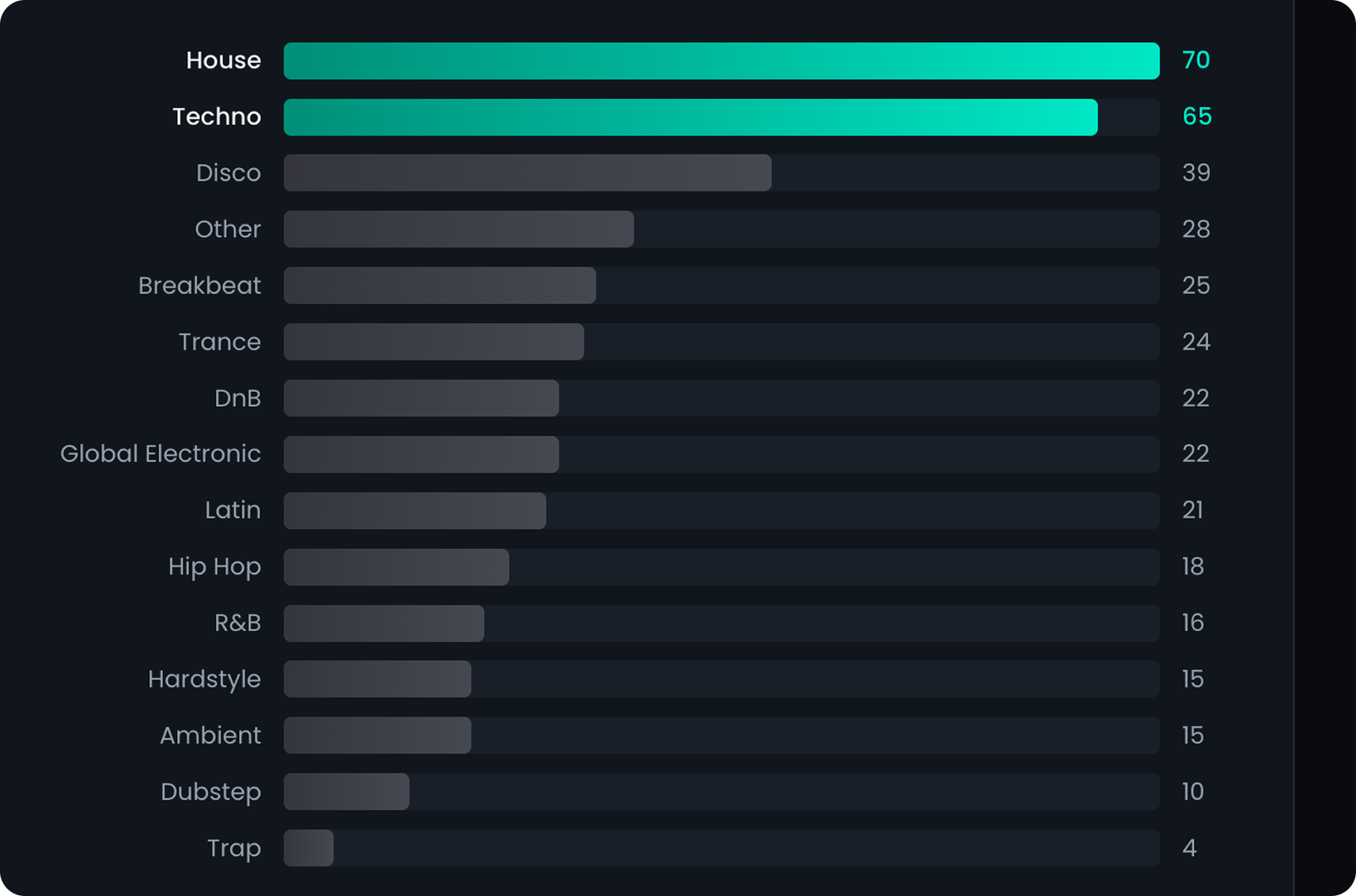
House and Techno came out on top, no surprise there.
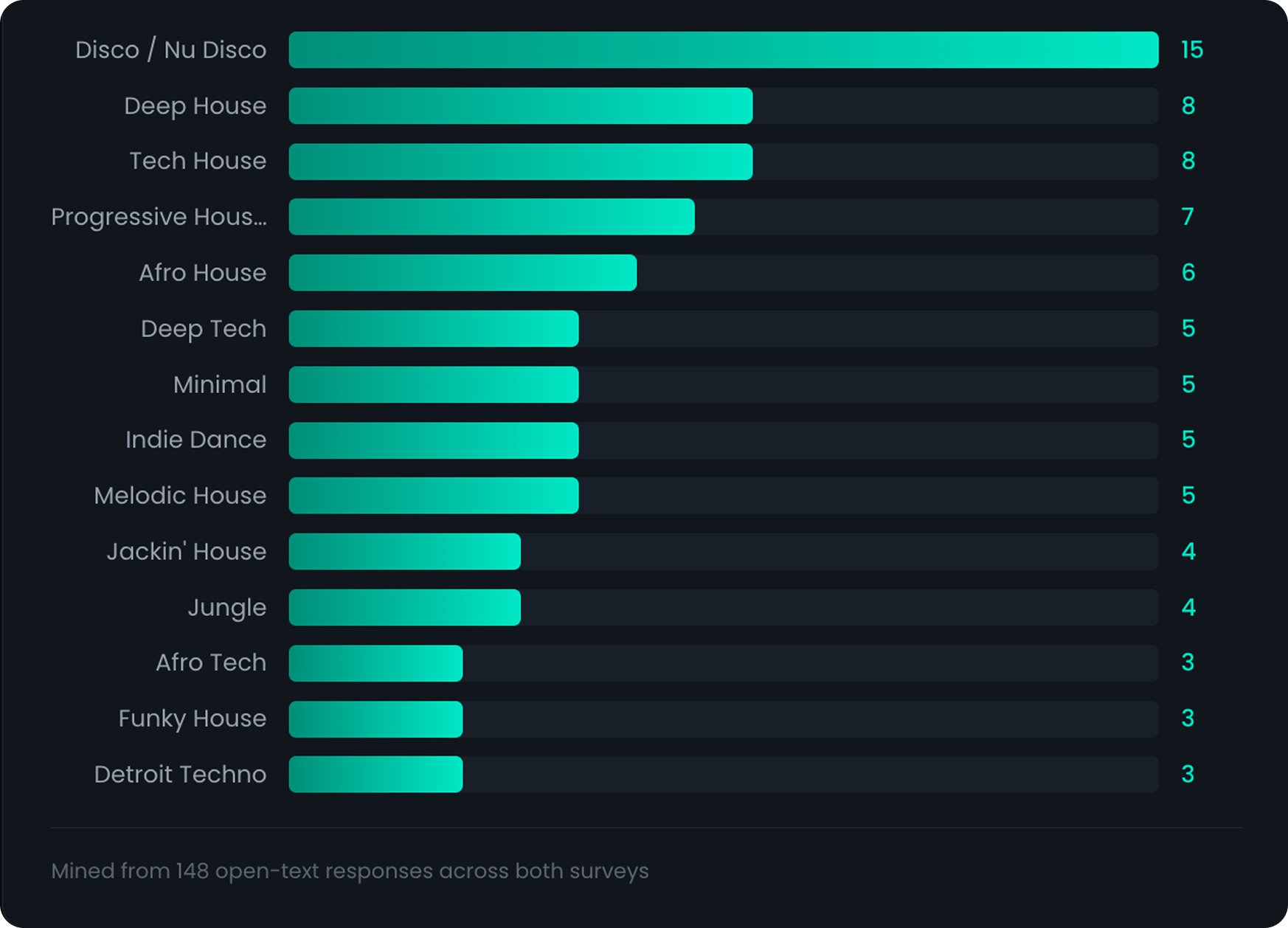
But look at "Other": 28 answers, more than Breakbeat, more than Trance, almost as many as Disco. That's not a small number. It means a lot of DJs couldn't find their sound on the list. So we didn't stop at multiple choice. We asked what was missing, in their own words, and read through 100+ open-text answers to find understand your needs.
2) What Genres / Sub-genres were missing
3) The number that changed it all
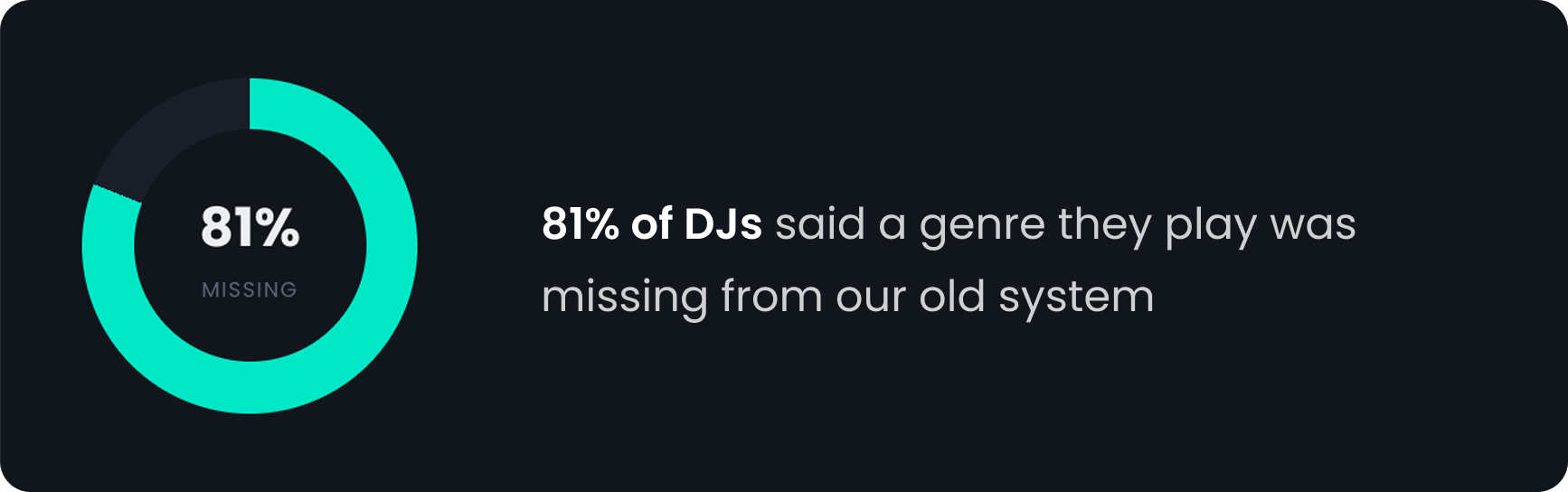
81% of DJs saying that they were missing a genre was not a small gap we easilycould fix with one or two new labels.
This required us full rebuild, style by style, based on what you told us you play. That’s how we went up from 30 sub-genres to 75 in our latest release.
Our New Genre Taxonomy
The result from our observations and months research and training, was Djoid's 5th generation genre system which includes 75 new sub-genres. It covers electronic, hip-hop, breaks, psy, latin, and more.
Our team of curators and music researchers studied each sub-genre one by one. They traced the sound, the artists, the eras, and the labels behind it. They also mapped where one style blends into the next.
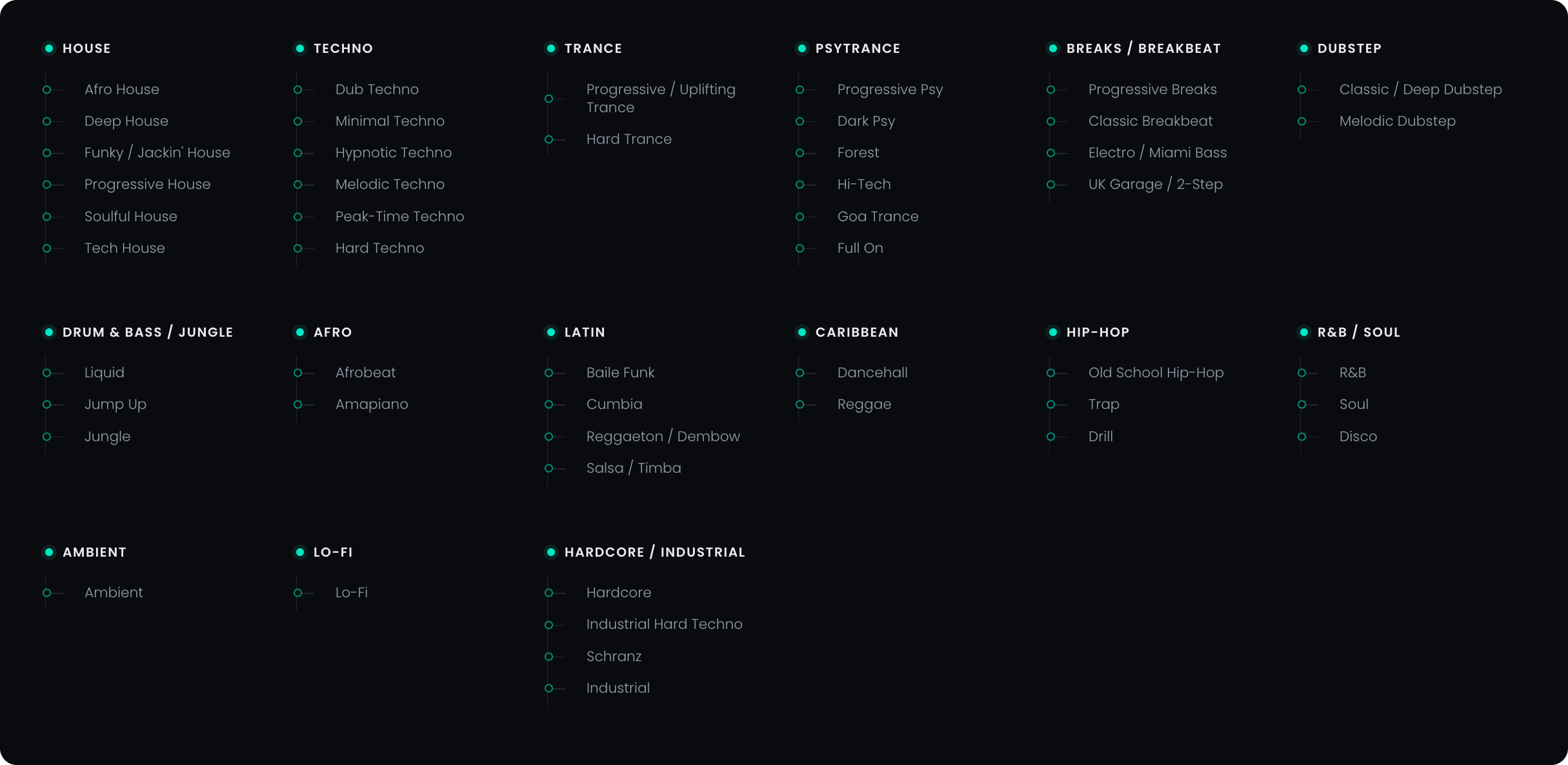
Our genre labelling system understands that sub-genres are not just a label, but are nuanced classifiers.
Deep Tech sits between Tech House and Minimal. It keeps some rhythm habits and drops others. Afro Tech pulls from Afro House and techno's steady beat at the same time. Jackin' House has its own drum pattern that sets it apart, once you know what to listen for.
Our team mapped these connections and Djoid learned side by side building a system that can truly analyse and tag your music. Not relying on old metadata, a completely new analysis based on the track itself.
How Djoid Analyses Your Music’s Genres
1) It listens to the music, not the metadata.
Most genre tags come from a text field — a file name, a scraped tag, someone's guess from years ago.
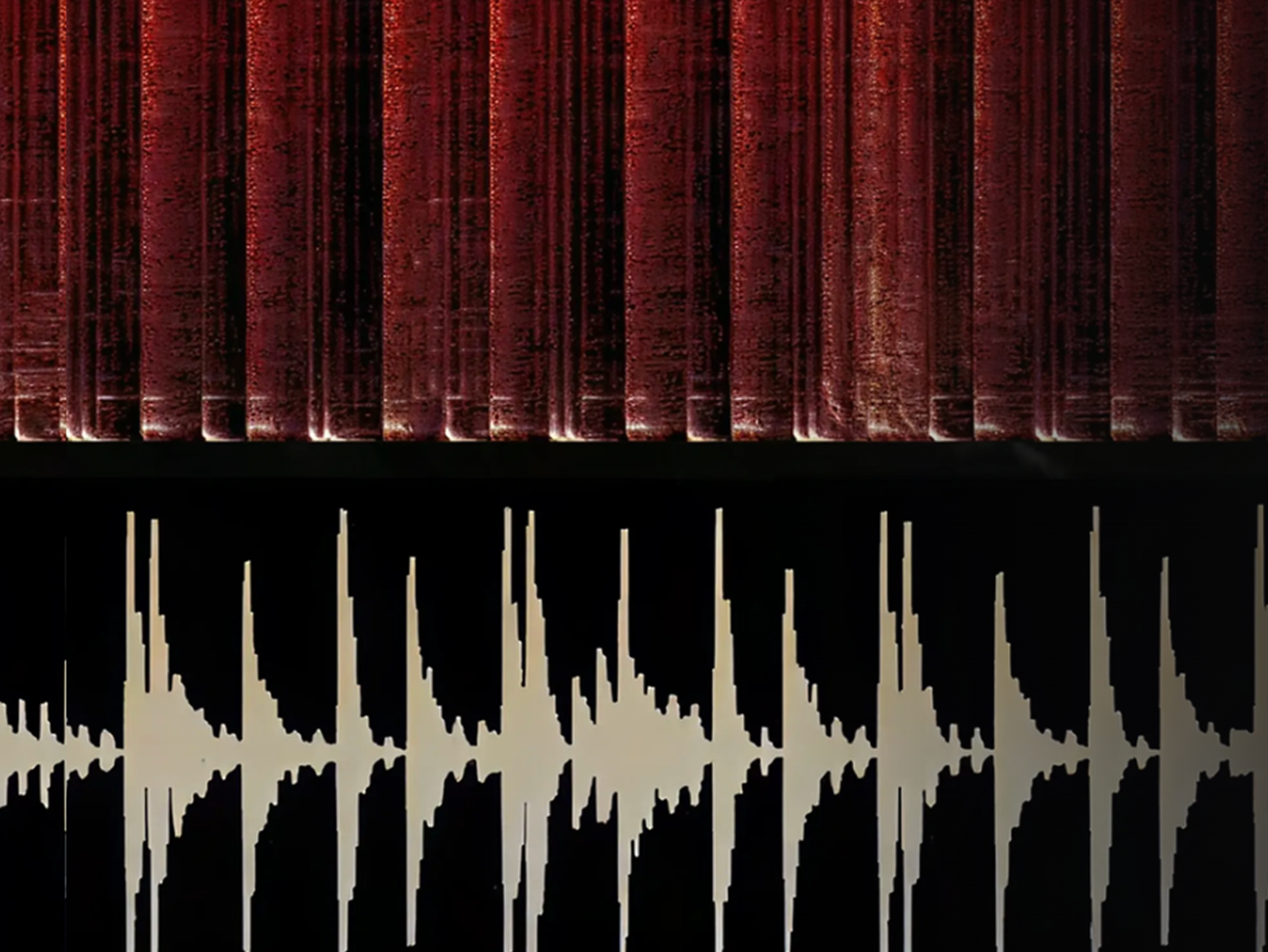
Djoid doesn't read that field to decide your genre. It analyzes the actual audio: rhythm and groove structure, tempo and swing, bassline and low-end character, production texture, instrumentation, harmonic content. The tag comes from what's really in the track, not from what a label said it was.
2) It only tags what it's confident about.
A blend track that sits genuinely between Deep House and Afro House shouldn't be forced into either bucket just to fill a field.
Djoid's classifier only assigns a sub-genre when its confidence is high. If a track is a real hybrid, or genuinely hard to place, Djoid says so — instead of guessing with false certainty, the way most generic tools do. The genres it does identify and classify it does so with a 90%+ accuracy.
3) It's built from what our DJs actually play, globally.
75 sub-genres isn't an arbitrary round number. It's the shape of the taxonomy that emerged from survey data, and curatorial research — not a list assembled in a spreadsheet by one team guessing at what's "standard."
Spend your time on the tags no algorithm can guess
Stop spending your energy tagging the obvious, let Djoid handle the classification of the best known sub-genres, freeing your time for the emerging, unique tracks no algorithm can guess.