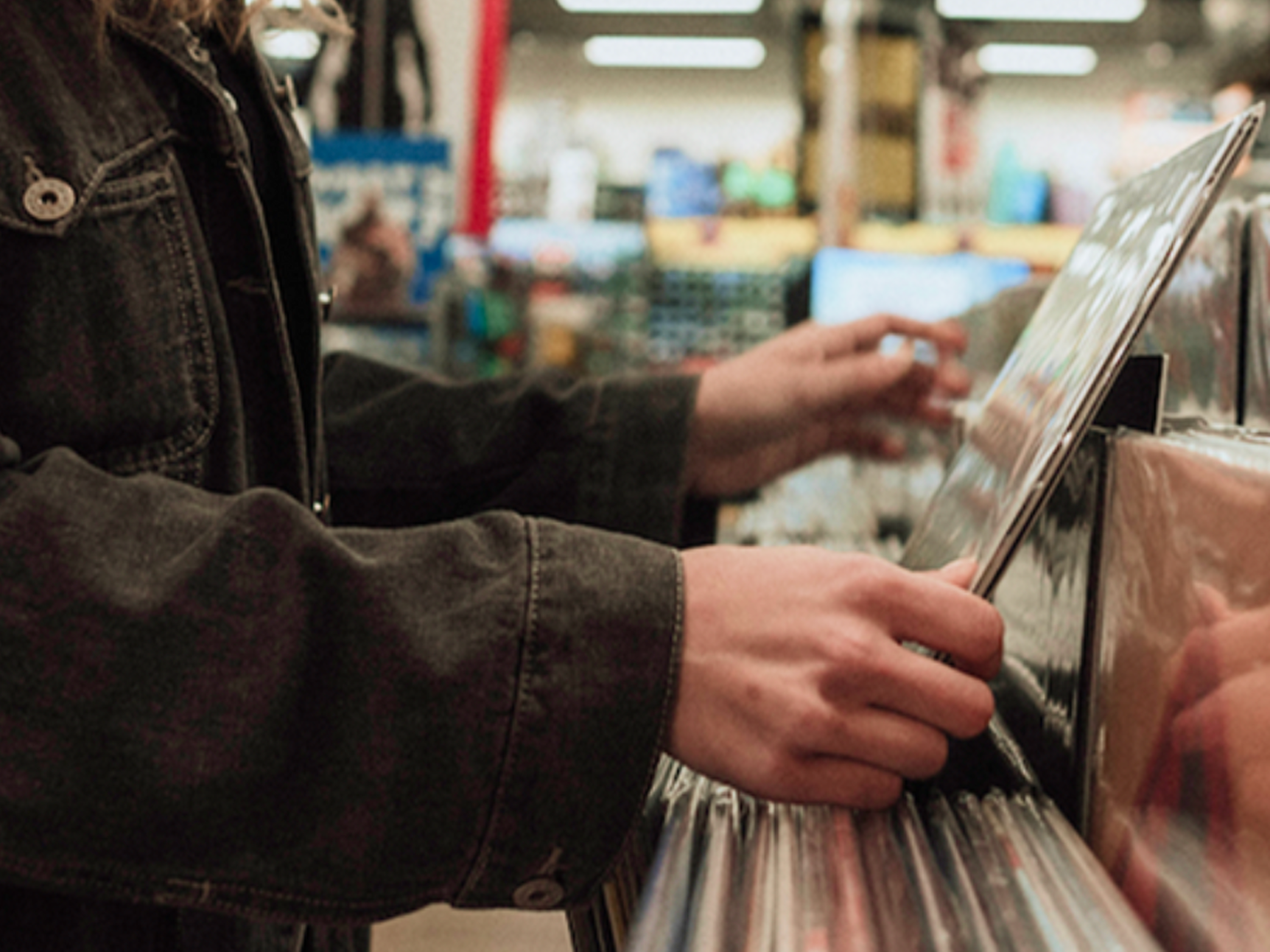

The urge to collect is fundamentally human. We are all, in a way, magpies, gathering treasures: stamps, books, memories, and, yes — music.
But there is a profound chasm between a collector and a curator.
A collector merely possesses; their value lies in the quantity of their hoard. Think of a hoarder with rooms full of items, the sheer volume is overwhelming, the narrative, nonexistent.
A curator, however, possesses the discipline of selection.

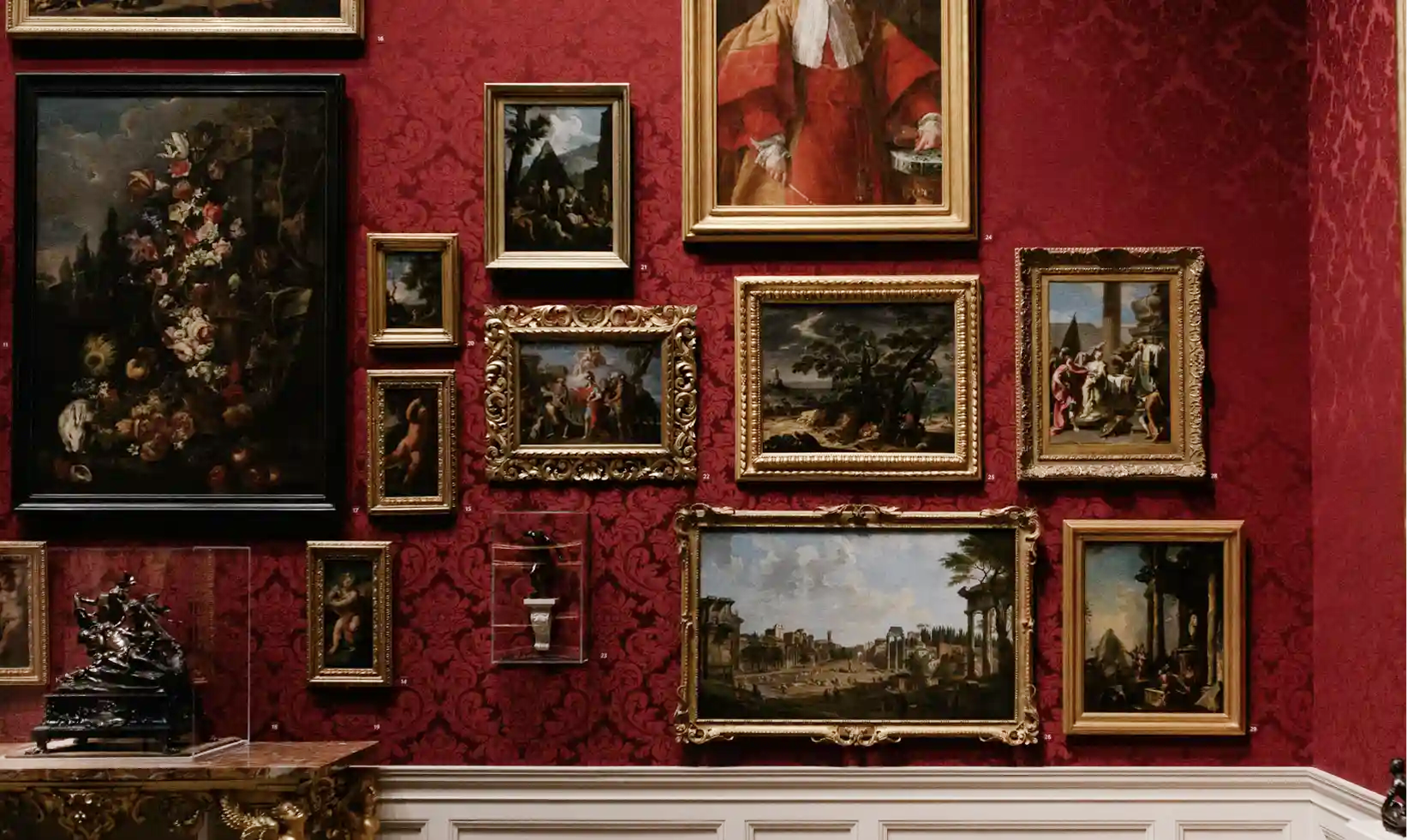
Consider the art curator in a museum.
They don't just hang every painting they own, they ruthlessly choose a selection of works, placing them in dialogue with one another, meticulously lighting them, and adding context.
Their skill transforms a room full of objects into an experience, an emotional and intellectual journey.
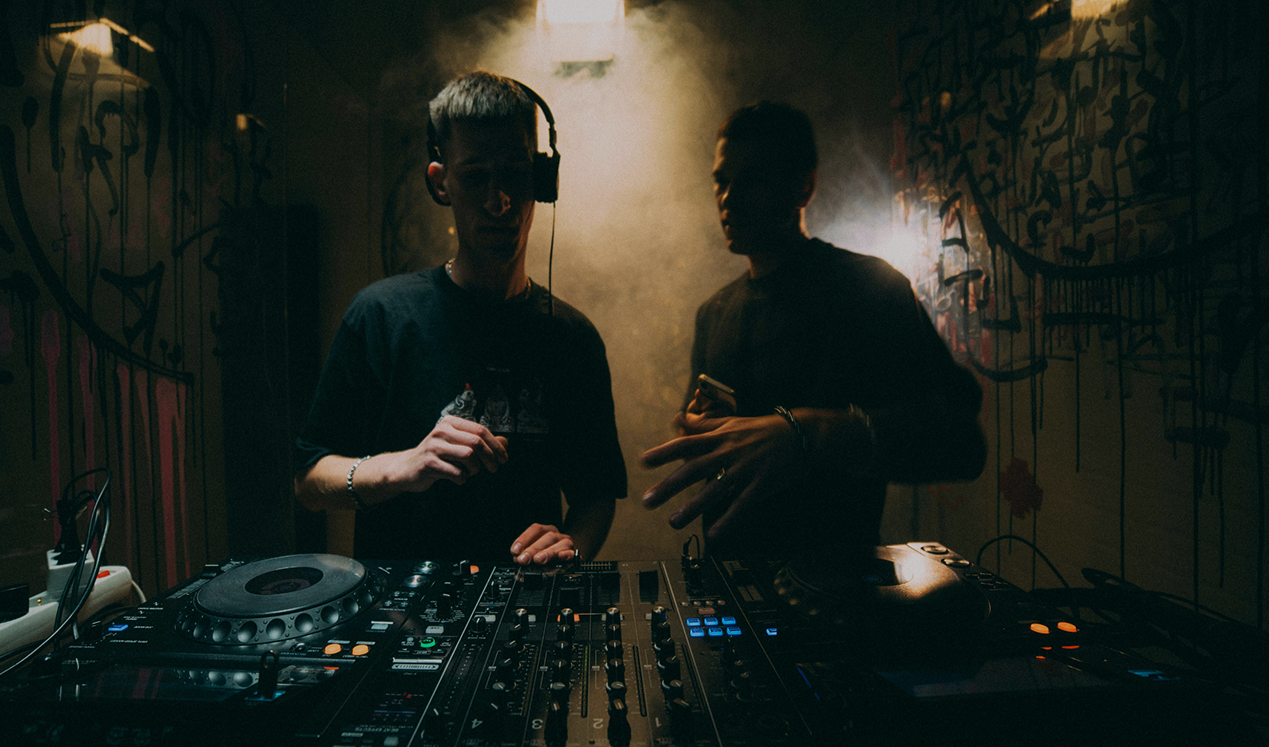
The greatest DJs are not mere music collectors; they are master curators.
They are the architects who transform thousands of files into a singular, high-impact auditory exhibition.
Their 'gallery' is the dance floor, and their 'exhibit' is the flow of the night.
The task of the Master Curator is disciplined and multi-faceted, focusing on precision, sacrifice, and delivery:
- Selection: prioritising tracks for their clear utility and unique characteristic appeal over sheer quantity.
- Omission: Possessing the courage to delete or archive tracks that no longer feel like them.
- Timing: Understanding when to use each track, moving beyond reaction to architecting the flow of your performance.
Curation as Emotion Design: The Architect of Feeling
When a DJ curates, they are not merely linking a list of songs; they are engaging in emotion design. Every track you select carries a emotional undertone: tension, euphoria, aggression, or reflective calm.

As a DJ, you are the architect of the audience's inner experience, deciding not just what people will hear, but profoundly what they will feel and when they will feel it.
This makes curation less of a technical process and more of a psychological one.
This intentional design is the invisible layer of a DJ’s identity.
The crowd doesn't see your meticulous folders, your custom tags, or the hours spent in selection, but they feel the result in their bodies, in the effortless flow of the set, in the perfectly timed rise and fall of energy, and in how they completely lose track of time.This is the shift from technician to artist.
You are shaping human experience through sound, and this commitment to designing emotional arcs is how you forge your unique signature sound, the emotional fingerprint that defines you.
Every DJ can play the same tracks, but no one can curate them with your specific emotional intent.
The Foundation of Mastery
So, how does one become a Master Curator?
Now that we’ve established clearly what it means to curate as a DJ, we can elaborate further on what taking the next step would be.
If you already have an established taste, and the library to back it up, then comes the curation of performance, and with it comes storytelling. There lies the so called “mastery.”
Without clear and intentional presentation, your taste won’t matter. Remember “timing” we mentioned earlier in this article. Without adequate timing, and a sense of storytelling, you’re just reacting to the crowd. Or, if your ego is above your audience, you’ll be going on a solo journey leading nowhere.
Unlock Your Full Curator Potential
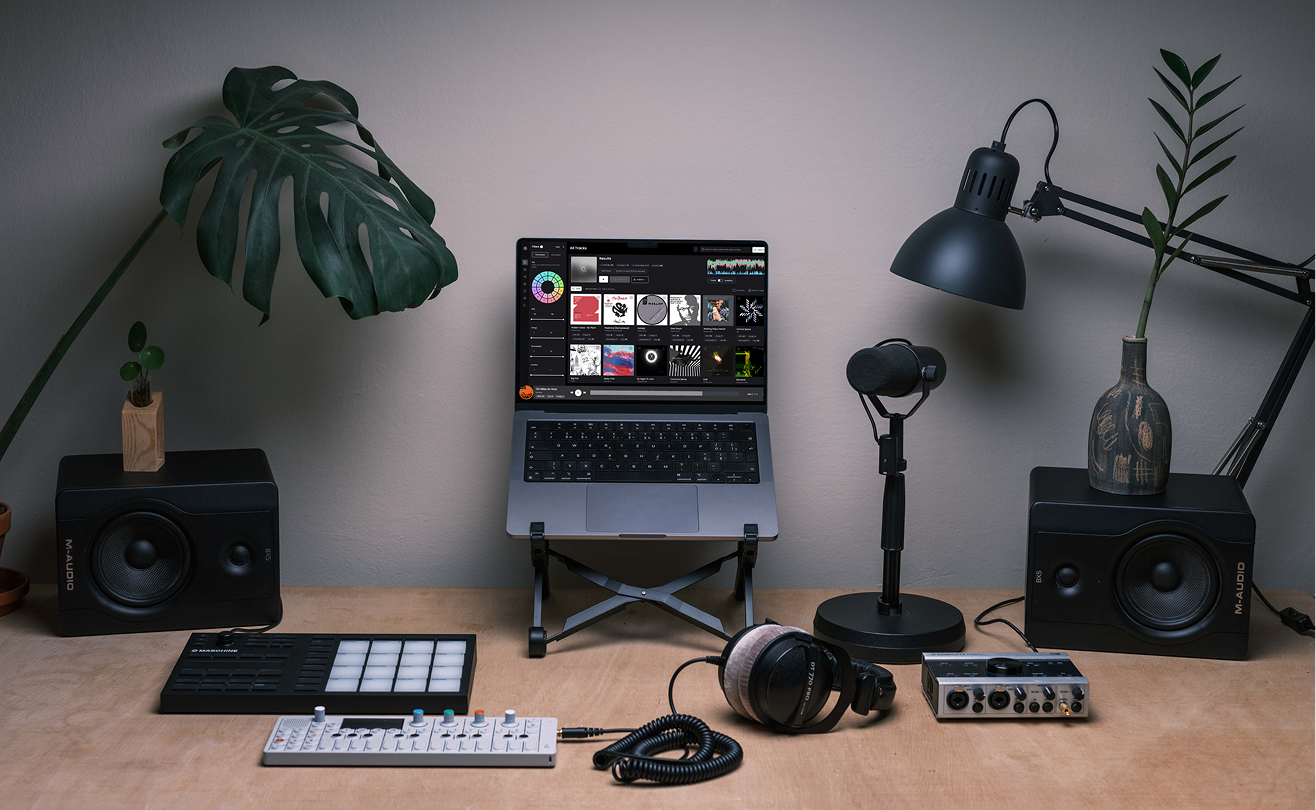
The greatest DJs spend years building invisible systems to structure their libraries, tag their tracks, and create order from chaos, because they know this is where the foundation for artistry of music as storytelling begins.
At Djoid, this invisible craft is what we help you build.
As a DJ, your curation is your art form, it’s how you communicate with the dancefloor. And that’s why, in the end, the best DJs are not just mixers, they are curators of emotion.
Start curating with Djoid Today→
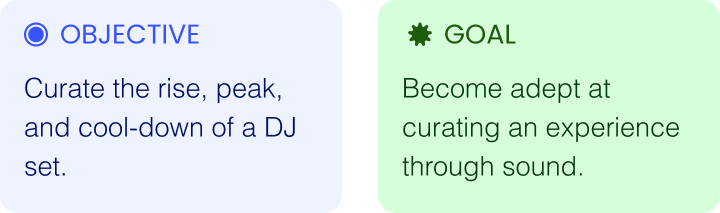
Practice Exercise: Build Your Peak Moment
INSTRUCTIONS
- Choose your peak track: Pick one track that represents the emotional or energetic high point of your set—the moment everything explodes or transcends.
- Build the rise: Select 3–5 tracks that gradually build tension and energy toward that moment. Think in emotion, not just BPM. What tracks make the audience lean forward?
- Design the landing: Add 2–3 tracks that release the energy after the peak—let the audience breathe, groove, or reflect. This is the cool-down that makes the peak memorable.
- Play and record it: Mix the full journey (15–25 minutes) and record it. Then listen back—feel the flow, the tension, and how the peak hits.
REFLECTION
After completing this exercise take note of:
- Is there something that could have been better? Be it track selection, or transitions.
- Do you feel the energy peak when it should?